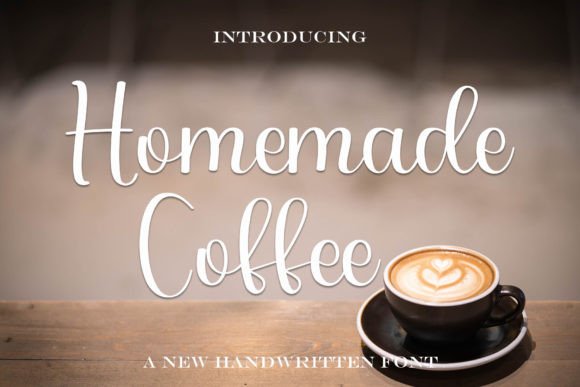
Homemade Coffee Font
Homemade Coffee is a handwritten script font that brings an elegant and personal touch to digital design. Its fluid strokes and organic curves make it ideal for web projects that require a warm, authentic feel. As a script amp font, it offers a unique balance between readability and artistic expression, making it a versatile choice for designers looking to enhance their visual storytelling.
Designed with web usability in mind, Homemade Coffee maintains clarity across different screen sizes and resolutions. Its open letterforms and consistent spacing ensure that it remains legible even at smaller sizes, which is essential for mobile-first design approaches. This makes it particularly effective for headers, buttons, and short phrases where visual impact and readability must coexist.
Using Homemade Coffee in Web Design
Web designers often turn to Homemade Coffee for headers and hero sections where a strong visual statement is needed. Its natural flow and expressive style can elevate the tone of a landing page or a product launch, adding a sense of creativity and personality. For example, a boutique online store might use it for a featured product title, drawing attention while maintaining a cohesive brand aesthetic.
In call-to-action areas, Homemade Coffee can add a human element that resonates with users. It works well for buttons or overlay text on banners, especially when paired with a clean sans serif font for contrast. This combination helps guide the user’s eye through the layout while keeping the overall design balanced and professional.
For blog graphics and social media content, Homemade Coffee adds a personalized flair that stands out in crowded digital spaces. It’s particularly effective for headlines, subheadings, or quote boxes where a more approachable and creative tone is desired. When used sparingly, it enhances the visual hierarchy without overwhelming the reader.
Brand Identity and Visual Hierarchy
Homemade Coffee contributes to a brand’s visual identity by reinforcing a specific tone and emotion. Its handwritten quality suggests authenticity, craftsmanship, and a connection to the creator. This makes it an excellent choice for brands in the lifestyle, wellness, or creative industries that want to convey a sense of warmth and individuality.
When integrated into a website’s design system, Homemade Coffee can serve as a key element in establishing a consistent look and feel. It works best as a display font rather than body text, allowing it to shine in headings, logos, and decorative accents. However, its readability at smaller sizes means it can also be used for short labels, captions, or navigation elements without sacrificing clarity.
Designers should consider how Homemade Coffee interacts with other design elements. On dark backgrounds, its contrast can be striking, while on light backgrounds, it remains soft and inviting. When placed over images or gradients, it benefits from careful kerning and spacing to maintain legibility and visual harmony.
Font Pairing and Digital Applications
Pairing Homemade Coffee with a simple sans serif or serif font creates a dynamic and balanced typographic system. A modern sans serif like Roboto or Open Sans can provide a clean, neutral base for body copy, while Homemade Coffee adds a distinctive character to titles and highlights. This pairing is ideal for websites that need both readability and visual interest.
For editorial designs or content-heavy pages, a serif font like Lora or Merriweather can complement Homemade Coffee’s organic style. This combination evokes a classic, refined aesthetic that suits blogs, portfolios, or educational platforms. It also supports a more traditional reading experience without compromising on creativity.
Homemade Coffee is also useful in digital ads and promotional materials. Its expressive nature can capture attention and communicate a brand’s message in a more engaging way. Whether used for a headline, a tagline, or a logo, it adds a level of uniqueness that sets a design apart from the competition.
Practical Considerations for Web Use
Before using Homemade Coffee in a project, check the available styles, weights, and file formats. Many premium fonts include multiple variations such as regular, bold, and alternate characters, which can expand their usability. Webfont availability is also important—ensure the font is optimized for fast loading and cross-browser compatibility.
For commercial use, verify the licensing terms to confirm that the font can be embedded on websites, used in client projects, or included in digital templates. Proper licensing ensures that the font is used legally and avoids potential issues with copyright or distribution.
When working with multilingual content, check if Homemade Coffee supports additional characters and scripts. While many script fonts are limited to Latin alphabets, some may offer extended language support, making them more versatile for global audiences.
Conclusion
Homemade Coffee is a powerful tool for web designers seeking to add a personal, artistic touch to their projects. Its elegant style, readability, and adaptability make it suitable for a wide range of digital applications, from headers and buttons to logos and branding assets. By understanding its strengths and limitations, designers can harness its potential to create visually compelling and emotionally resonant web experiences.